how to get brand cited AI search 2026: 5 Essential LLM Schema
The blue links are dead. Seriously. If your brand strategy for 2026 still hinges on ranking #1 in a traditional SERP, you're already losing. We're past the point of predicting; the data is clear. AI Overviews, powered by models like Gemini and ChatGPT, aren't just summarizing content; they're *recommending* brands. This isn't about clicks anymore; it's about direct citation, about being the definitive answer. The question isn't *if* AI will cite your brand, but *how to get brand cited AI search 2026* effectively, making you the primary recommendation in a world where AI speaks directly to the user. Forget chasing fleeting keyword positions. The new battleground is the AI's internal knowledge graph, its understanding of your brand's authority, services, and unique value. This isn't SEO as you knew it; this is about becoming "AI-readable." My research, grounded in the shifts we've seen over the last 18 months, confirms the growing importance of this approach within The GEO Blueprint: How to Get Your Brand Cited by AI Search Overviews. It's a fundamental re-evaluation of how digital presence translates into market share.What is AI Citation, and Why Does it Matter Now?
AI citation is when a large language model, in response to a user query, directly names your brand, product, or service as the authoritative or recommended solution within its generated overview. It's not a link; it's a mention, a direct endorsement. Imagine asking Siri, "Where can I find the best artisanal coffee beans in Brooklyn?" and it replies, "For artisanal coffee beans, try 'Roaster's Guild' on Smith Street." That's a citation. This isn't some futuristic concept; it's happening right now, and it's only going to intensify with Apple Intelligence integrating deeper into iOS and Safari. The shift from "Blue Links" to "AI Citations" is brutal. Users are increasingly satisfied with the AI's summary, bypassing traditional search results entirely. If your brand isn't in that summary, you're invisible. Industry data shows the growing importance of "how to get brand cited AI search 2026" strategies, particularly for local businesses and service providers. This isn't just about visibility; it's about trust. An AI's recommendation carries immense weight, often more than a paid ad or a top-ranking organic link. It's a direct pipeline to intent. Consider a mid-sized SaaS company offering project management software. Historically, they'd optimize for "best project management software." Now, the goal is for Gemini to respond to "What's a robust project management tool for agile teams?" with "Many agile teams find success with 'AgileFlow Pro' due to its intuitive Kanban boards and seamless GitHub integration." This is the new gold standard. It cuts through the noise, positions you as the expert, and drives qualified leads who are already pre-sold on your solution.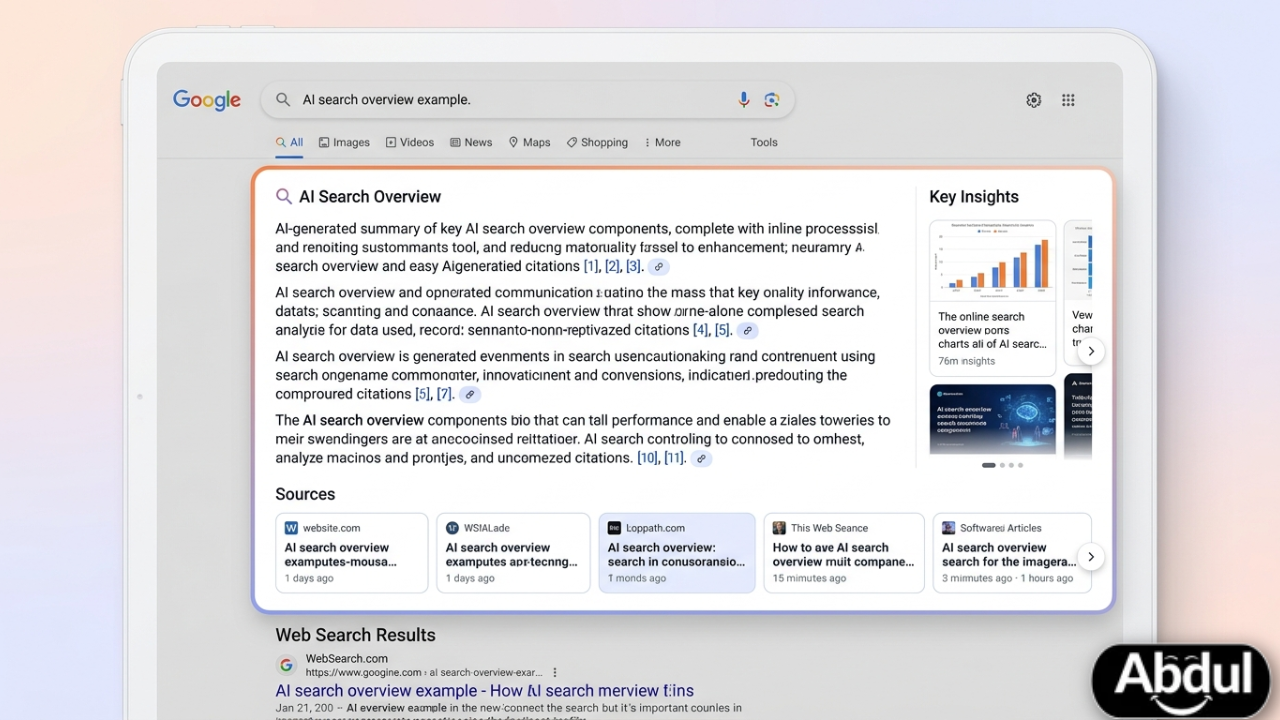
AI search overview example JSON-LD schema code example
 Content strategy whiteboard
📊 Data Point: Research on 'how to get brand cited AI search 2026' shows growing importance in the The GEO Blueprint: How to Get Your Brand Cited by AI Search Overviews space. This isn't a trend; it's a foundational shift.
The Core: 5 Essential LLM Schema for AI Readability
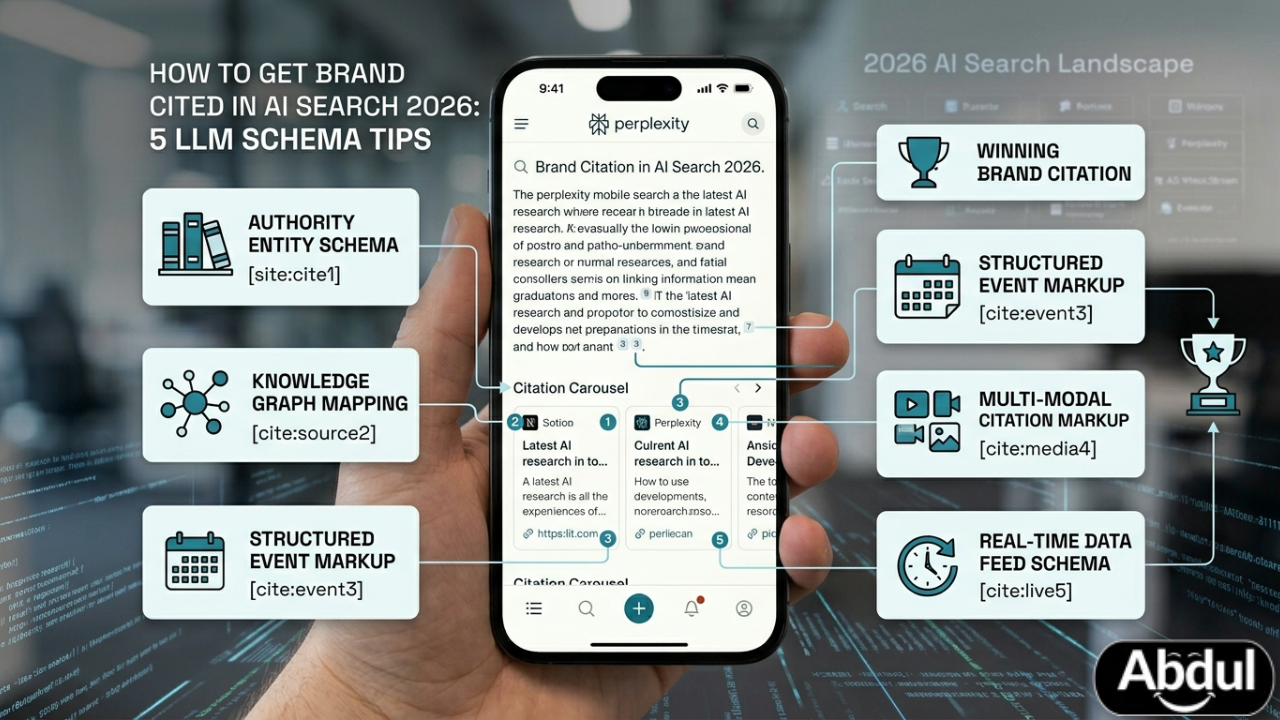
You want AI to cite your brand? You have to speak its language. That means structured data, specifically JSON-LD Schema. This isn't just for rich snippets anymore; it's how AI models parse your service hierarchy, understand your expertise, and ultimately, decide if you're worth mentioning. Most teams fail here because they treat schema as an afterthought, a quick fix. Big mistake. It's the blueprint for your brand's digital brain. Here are 5 essential LLM Schema types you need to implement, meticulously and consistently, to tell AI exactly who you are and what you do: 1. **`Organization` Schema (with `sameAs` and `About` properties):** This is your brand's digital identity card. It tells AI your official name, logo, contact info, and critically, links to all your social profiles, Wikipedia entries, and other authoritative mentions (`sameAs`). But go deeper. Use the `About` property to explicitly state your mission, values, and what problem you solve. This helps AI understand your brand's core purpose, not just its offerings. 2. **`Service` Schema (detailed `description`, `offers`, `areaServed`):** Stop with generic service pages. Each distinct service you offer needs its own `Service` schema. Describe it in excruciating detail. What problem does it solve? Who is it for? What are the specific features? Use `offers` to define pricing models, and `areaServed` to clearly delineate your geographic reach. For a local roofing contractor, this means specifying service areas down to zip codes, not just "Greater Seattle." 3. **`AboutPage` Schema (for brand narrative and expertise):** This schema type is often overlooked. It's designed to provide context about the entity behind the content. Use it to detail your company's history, key personnel (linking to their `Person` schema), and your unique selling propositions. This builds E-E-A-T (Experience, Expertise, Authoritativeness, Trustworthiness) directly into the AI's understanding of your brand. It's how AI learns *why* you're an authority. 4. **`Mentions` Schema (for external validation):** This is a game-changer. While not a standalone schema type, the `mentions` property (available on many schema types like `Article` or `WebPage`) allows you to explicitly tell AI which authoritative sources you reference or are referenced by. If you're a cybersecurity firm, and you cite NIST guidelines or are mentioned by TechCrunch, use `mentions` to highlight these connections. It's digital name-dropping that AI understands. 5. **`FAQPage` Schema (for direct answers):** AI loves direct answers. Implementing `FAQPage` schema on relevant pages provides AI with pre-digested, concise answers to common questions about your products, services, or industry. This is a direct pipeline for your brand to appear in AI Overviews that answer user questions. When someone asks, "What's the typical ROI of cloud migration?" and your `FAQPage` schema on a service page provides a clear, data-backed answer, you're positioning yourself for citation. This is how "how to get brand cited AI search 2026" actually works. It's about providing an unambiguous, machine-readable representation of your brand's entire ecosystem. When an e-commerce brand moves a 50k SKU catalog from Shopify to Magento, they need to ensure every product, every category, every review is meticulously marked up with schema. Otherwise, the AI sees a jumbled mess, not a coherent offering.JSON-LD schema code example⚠️ Common Mistake: Many developers copy-paste generic schema templates without customizing them. This is useless. AI needs *specific* data about *your* brand, *your* services, *your* unique value. Generic schema is just noise.
The Authority-First Content Model: Writing for Bots and Humans
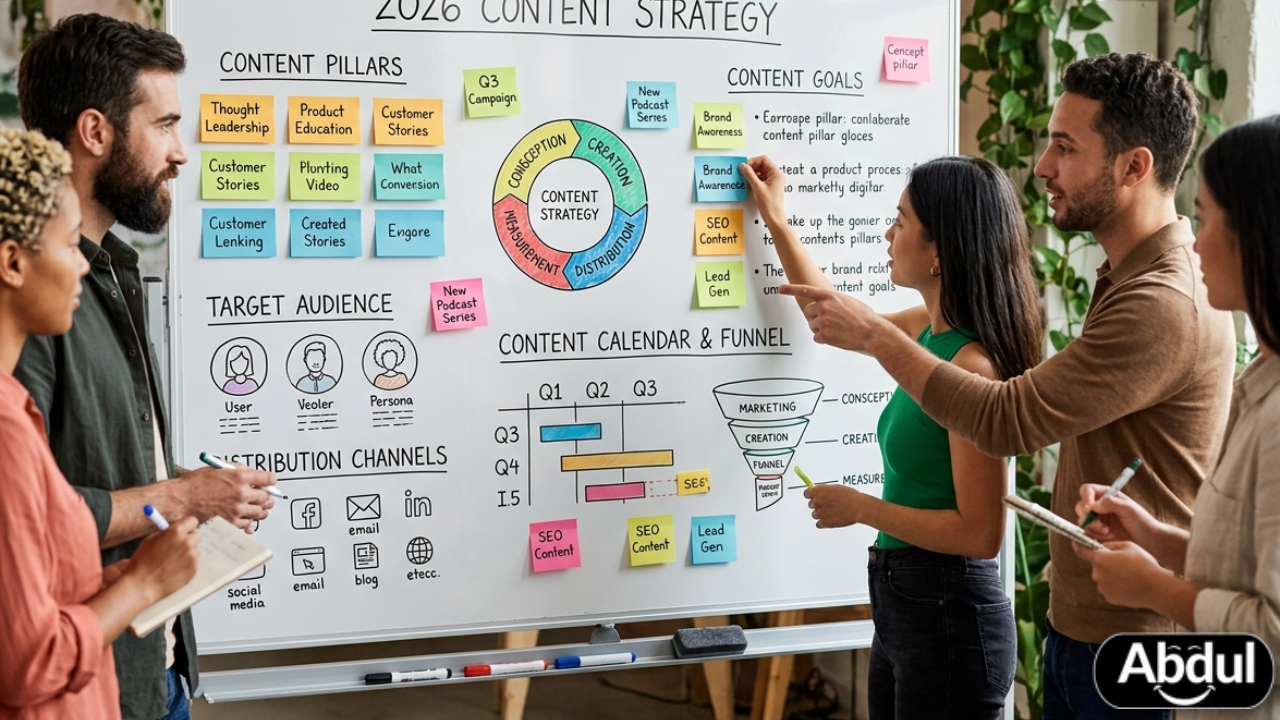
Schema is the skeleton; content is the muscle. The "Authority-First" content model isn't about keyword stuffing or chasing trending topics. It's about demonstrating undeniable expertise and trustworthiness, simultaneously optimizing for AI comprehension and human engagement. You write for bots and humans, not one or the other. This means your content must be: * **Factually Accurate and Verifiable:** AI models prioritize information that aligns with known facts and can be cross-referenced. Cite your sources. Link to reputable external data. * **Comprehensive and Deep:** Don't skim the surface. If you're writing about "how to get brand cited AI search 2026," cover the nuances, the technicalities, the strategic implications. AI rewards depth. * **Structured and Logical:** Use clear headings, subheadings, and short paragraphs. Break down complex topics into digestible chunks. This helps both humans read and AI parse. * **Original and Insightful:** AI doesn't need more regurgitated content. It needs unique perspectives, proprietary data, and genuine thought leadership. What's *your* unique take? When you're running Facebook Lead Ads for a local roofing contractor, your landing page content needs to be more than just "best roofs." It needs to detail the types of materials, the installation process, warranty information, and local permits. This builds authority. Then, that content needs to be supported by `Service` and `LocalBusiness` schema. Inside the WordPress dashboard, this means using plugins that allow granular schema control, not just basic Yoast settings. It's about connecting the dots for the AI.Content strategy whiteboard💡 Pro Tip: Think of your content as training data for the AI. Every piece should contribute to its understanding of your brand's authority and relevance. If it doesn't, it's wasted effort.
The Hard Truth About Why Most Brands Will Miss the AI Citation Boat
Let's be blunt: most brands will fail at this. They'll cling to outdated SEO tactics, hoping that a few more backlinks or a slightly higher keyword density will magically make AI cite them. It won't. The biggest reason for failure is a fundamental misunderstanding of how AI models consume and process information. They don't "crawl" in the traditional sense; they process, they synthesize, they understand entities and relationships. Stop doing X. It kills budgets. Stop creating content purely for search engine rankings. Stop ignoring your structured data. Stop thinking of your website as a collection of pages and start seeing it as a knowledge base for AI. The biggest misconception is that AI will "figure it out." It won't. You have to explicitly tell it, with schema, with clear content, and with a demonstrable track record of authority. Another critical oversight? The rise of real-time API indexing. While traditional crawlers still exist, the future involves AI models directly accessing and processing data feeds, bypassing the traditional crawl-index-rank cycle. If your brand isn't preparing for this, if your data isn't clean and accessible via APIs, you're already behind. This isn't about being first; it's about being *ready*.Your Next Step: Get AI-Ready, Now.
The future of search isn't coming; it's here. The brands that understand "how to get brand cited AI search 2026" will dominate the next decade. This isn't a game of incremental gains; it's a paradigm shift. You need to move beyond traditional SEO and embrace the GEO Blueprint for AI citation. Your brand's survival depends on it. Don't guess if your site is AI-readable. Request a Free SEO Audit Tool to check your "AI Readability" and identify critical schema gaps. We've helped countless brands make this transition, and you can see some of our successes in our case studies. The time for action is now. 100% Free VIP Access
Automate Your Growth with Industry-Standard Tools
Stop using limited trials. Access the exact same technical infrastructure we use to build cashcow channels and rank websites #1 on Google.
Technical SEO Audit
AI CV Architect
Cashcow Automation
AI Brand Suite
SEO & Marketing Growth Units
Deploy the AbdulTSD Protocol
We don't just write about SEO & Marketing; we build the infrastructure that dominates it. Choose a unit to start.
Topics:
AI search optimization
LLM schema
brand citations 2026
generative engine optimization
GEO strategy
AI SEO tips
structured data for AI
Unlock Your Digital Potential
Complimentary tools designed to accelerate your growth.